A herd of unsuspecting Thunderheads wander under the hangry gaze of Unicron in a retrospective painting by Saito of his final and most famous creations, respectively.
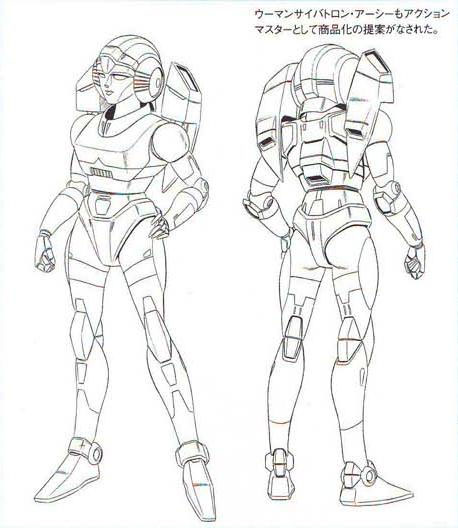
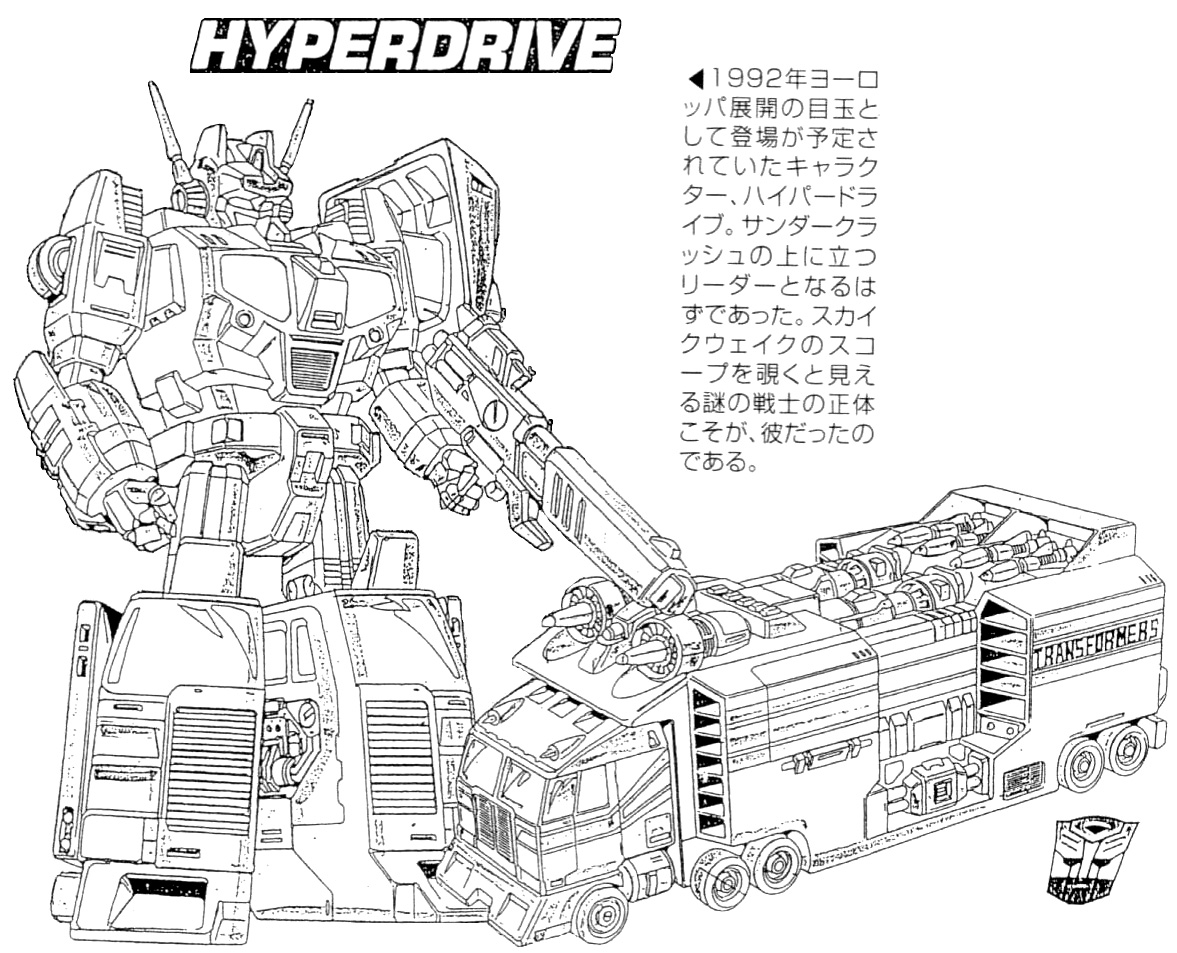
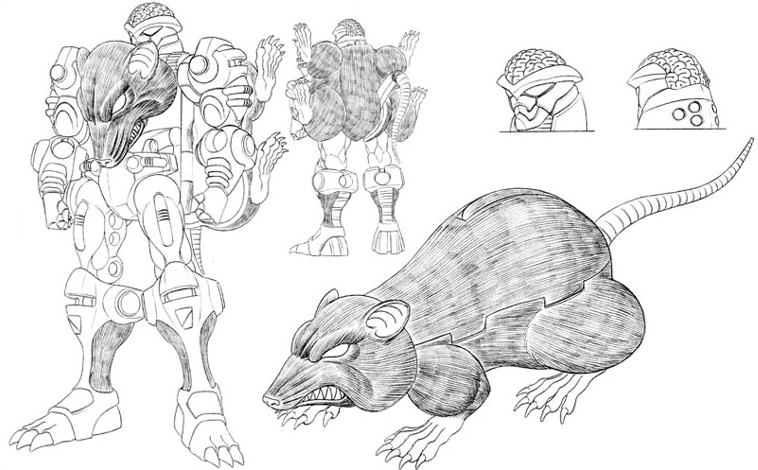
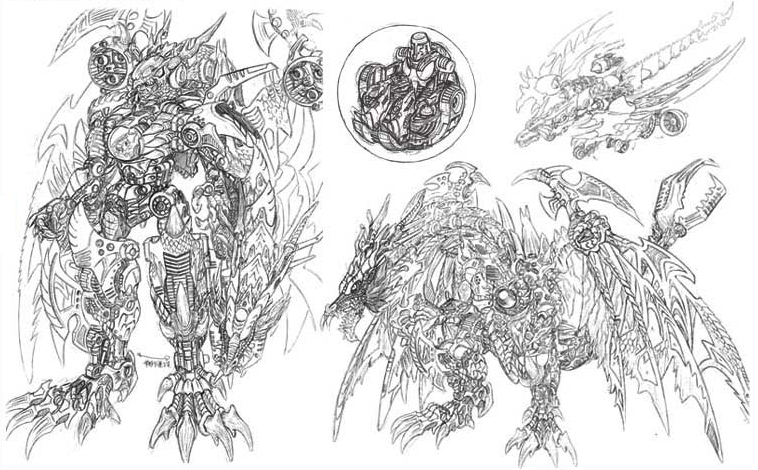
Masakatsu Saito (斎藤まさかつ Saitō Masakatsu) was a prolific mechanical designer and illustrator who provided TakaraTomy with concept art for the Transformers brand for nearly twenty years, usually alongside legendary designer Takio Ejima. Coming on to the company in 1982, he started out working on sticker sheets for the pre-Transformer line Micro Change and bounced around the office working on properties such as Dunbine and the Transformers - adjacent Blockman before coming on to the Transformers brand proper around halfway through The Headmasters supplying rough markups for the packaging artist. He was promoted to full-on concept artist for the next year's Super-God Masterforce and just kept going from there, having a hand in the development of wide swathes of TakaraTomy Transformers from the headliners of 1989's Victory all the way through Dark of the Moon. Some of his most noteworthy contributions include ArmadaUnicron, the Generation 1 Action Master assortment, and, most significantly, pretty much the entire Beast Wars toyline. He retired in late 2011 citing declining health.
The global 1993 production slate consisted of the same toys existing in a sort of superposition of Generation 1 and Generation 2 depending on the market. Don't think about it too hard. Point is, Saito worked on all of the new molds that year.
Some of Saito's work outside the Transformers umbrella include the Transformers-adjacent Brave series, the original incarnation of the popular Gridman franchise, and the 90's incarnations of both the pre-GoBot brand Machine Robo and the foundational 1950's scifi franchise Tetsujin 28.
Saito was baffled when the order came down to design an Action Master Elite from BlackZarak's character model, arguing Western children would surely connect better with his Scorponok form that actually appeared in Western media. He was proven sort-of-correct when the final toy was sold as a different character entirely.
References
While far too numerous to cite individually, this article is sourced from: